Oat Milk vs Almond Milk: Which is Better for You?
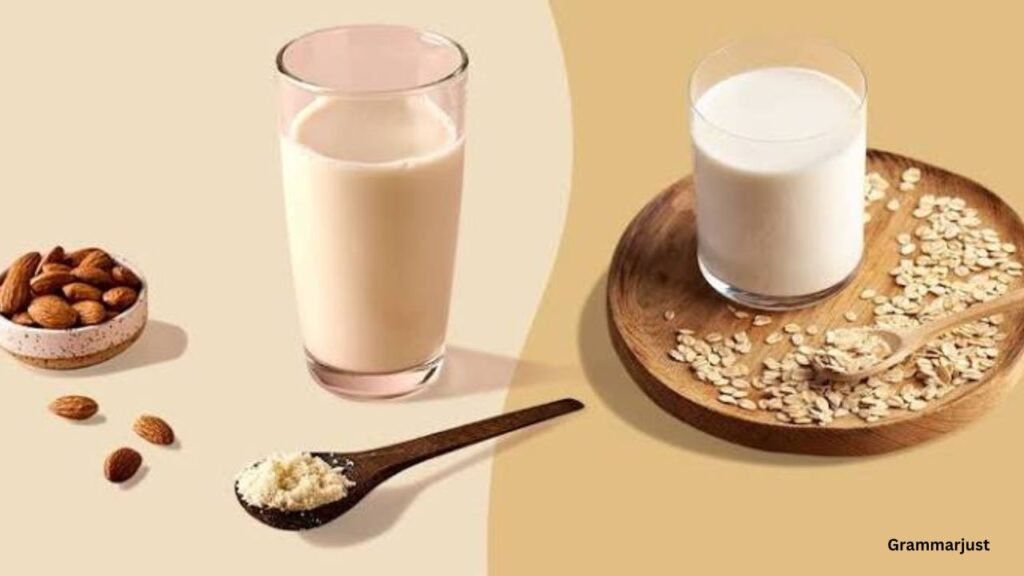
Choosing between oat milk and almond milk depends on what matters most to you. Oat milk is generally creamier and contains more carbohydrates, while almond milk is usually lower in calories and carbohydrates. Both are popular dairy-free alternatives, but their nutritional value, taste, and ingredients can vary by brand.
If you want a creamy drink for coffee or cereal, oat milk may be a better choice. If you prefer a lighter beverage with fewer calories, unsweetened almond milk may suit you better.
In this guide, we’ll compare oat milk vs almond milk based on nutrition, health benefits, taste, weight management, and everyday uses to help you make an informed choice.
Oat Milk vs Almond Milk: Quick Comparison
| Feature | Oat Milk | Almond Milk |
| Main ingredient | Oats | Almonds |
| Calories | Usually higher | Usually lower |
| Carbohydrates | Higher | Lower |
| Protein | Generally low | Generally low |
| Fat | Varies by brand | Often contains unsaturated fat |
| Fiber | May contain some | Usually very little |
| Taste | Mild and slightly sweet | Light and nutty |
| Texture | Creamier | Thinner |
| Coffee | Good for creamy drinks | Good for lighter coffee |
| Common concern | Gluten cross-contact | Tree nut allergies |
Quick verdict: Oat milk is a good option if you prefer a creamy texture and fuller taste. Unsweetened almond milk is often a better choice if you want fewer calories and carbohydrates.
What is Oat Milk?
Oat milk is a plant-based beverage made by combining oats with water and processing the mixture into a drinkable liquid. The process usually involves soaking, blending, and filtering the oats.
Many commercial products also contain added ingredients to improve their taste, texture, and shelf life. These may include vegetable oils, stabilizers, and added vitamins and minerals.
Oat milk has a naturally mild, slightly sweet flavor. Its creamy consistency makes it popular in coffee, smoothies, breakfast cereals, and cooking.
Common characteristics of oat milk:
- Made from oats and water.
- Usually has more carbohydrates than almond milk.
- Offers a smooth and creamy texture.
- May contain some fiber, depending on processing.
- Often fortified with calcium and vitamins.
- Can be available in sweetened, unsweetened, and barista varieties.
One important point: oats are naturally gluten-free, but cross-contact can happen during processing. People with celiac disease should choose products specifically labeled or certified gluten-free.
What is Almond Milk?
Almond milk is a non-dairy beverage made by blending almonds with water and separating the liquid from the solid almond material.
Commercial almond milk may contain additional ingredients such as calcium, vitamin D, vitamin E, stabilizers, and sweeteners.
It has a light, slightly nutty flavor and a thinner consistency than most oat milk varieties. Unsweetened almond milk is especially popular among people who want a lower-calorie beverage.
Common characteristics of almond milk:
- Made from almonds and water.
- Usually lower in calories and carbohydrates.
- Contains some naturally occurring fats.
- Generally provides little protein.
- Often fortified with calcium and vitamin D.
- Available in sweetened, unsweetened, and flavored varieties.
Because it is made from almonds, this beverage is not suitable for people with almond allergies.
Oat Milk vs Almond Milk: Nutrition Comparison
Nutrition is one of the biggest differences between these two beverages.
Oat milk generally contains more carbohydrates and calories, while unsweetened almond milk is usually lower in both. However, protein, fat, fiber, and vitamins can vary considerably between products.
The following table shows approximate median values from a published analysis of commercially available plant-based beverages. These are research-based comparisons, not guaranteed values for every brand.
| Nutrient (per serving) | Oat Milk | Almond Milk |
| Calories | 120 kcal | 66 kcal |
| Protein | 2 g | 1.3 g |
| Carbohydrates | Higher | Lower |
| Total sugars | 8 g | 3.6 g |
| Saturated fat | 0.5 g | 0.3 g |
1. Calories
Almond milk generally contains fewer calories than oat milk, particularly when comparing unsweetened varieties.
Oat milk contains more carbohydrates from oats, which can contribute to its higher calorie content.
If you are monitoring your daily calorie intake, unsweetened almond milk may be a convenient option. However, serving size and added ingredients still matter.
2. Protein
Neither beverage is particularly high in protein.
Oat milk may contain slightly more protein than almond milk, but the difference is usually not enough to make either a major protein source.
If protein intake is your priority, consider other foods such as eggs, beans, lentils, tofu, or a higher-protein fortified soy beverage.
3. Carbohydrates and Sugar
Oat milk generally contains more carbohydrates than almond milk because oats are naturally rich in starch.
Almond milk, especially unsweetened varieties, usually contains fewer carbohydrates.
It is also important to distinguish between total sugar and added sugar. Some oat milk products contain sugars produced during processing, while sweetened varieties may contain additional sweeteners.
Check both values on the Nutrition Facts label rather than assuming that every oat milk product has the same sugar content.
4. Fat and Fiber
Almond milk generally contains more fat than people might expect from a low-calorie beverage. Much of its fat is unsaturated, although the exact amount depends on the almond content and formulation.
Oat milk may contain small amounts of fiber, but commercial filtering can remove much of the fiber naturally present in whole oats.
Some products also contain added oils to improve their texture.
5. Vitamins and Minerals
Both beverages may provide important nutrients when fortified.
Common added nutrients include:
- Calcium
- Vitamin D
- Vitamin B12
- Vitamin A
Almond milk may also contain added vitamin E.
However, fortification is not identical across brands. Always check the packaging to see how much of each nutrient a product provides.
The FDA recommends comparing protein, calcium, vitamin D, potassium, saturated fat, and added sugars when choosing plant-based beverages.
FDA+1
Health Benefits of Oat Milk
Oat milk can be a useful addition to a balanced diet, especially for people who enjoy plant-based beverages and prefer a creamy alternative to dairy.
Some potential advantages include:
1. Naturally dairy-free
Oat milk contains no dairy ingredients, making it an option for people avoiding lactose or dairy products.
2. Contains oat-derived components
Oats naturally contain beta-glucan, a type of soluble fiber. However, the amount retained in commercial oat milk depends on processing. Do not assume that every carton provides the same benefits as eating whole oats.
3. Convenient for everyday use
Its smooth consistency makes oat milk useful in coffee, cereal, smoothies, and recipes.
4. Often fortified with nutrients
Some varieties provide added calcium, vitamin D, and vitamin B12.
Potential Drawbacks of Oat Milk
Oat milk also has some limitations:
- Usually contains more carbohydrates than unsweetened almond milk.
- Often provides relatively little protein.
- Some varieties contain added sugars.
- Certain products contain added oils and stabilizers.
- Regular oat milk may not be suitable for people with celiac disease if gluten cross-contact has occurred.
Choosing an unsweetened, appropriately labeled product can help address some of these concerns.
Health Benefits of Almond Milk
Almond milk is popular among people looking for a lighter plant-based beverage.
Its nutritional profile can make it useful for certain dietary preferences.
1. Usually lower in calories
Unsweetened almond milk is generally a low-calorie beverage, making it suitable for people who want to reduce their calorie intake.
2. Low in carbohydrates
It usually contains fewer carbohydrates than oat milk, especially when no sweeteners are added.
3. Contains almond-derived fats
Almonds contain predominantly unsaturated fats. The actual amount in almond milk depends on how much almond material remains in the finished beverage.
4. May provide added vitamins and minerals
Fortified almond milk can supply calcium and vitamin D. Some varieties also contain vitamin E.
Potential Drawbacks of Almond Milk
There are a few things to consider:
- Generally contains very little protein.
- May have less fiber than whole almonds.
- Some varieties contain added sugars.
- Not suitable for people with almond allergies.
- Nutritional value can differ significantly between brands.
If you rely on almond milk as a regular milk replacement, choose a fortified variety and make sure your overall diet provides enough protein and other essential nutrients.
Oat Milk vs Almond Milk: Taste and Texture
Taste and texture can make a significant difference when choosing between these beverages.
Oat milk has a mild, slightly sweet flavor. Its creamy consistency makes it suitable for people who enjoy a fuller beverage.
Almond milk has a lighter consistency and a subtle nutty flavor. Unsweetened varieties generally taste less sweet than oat milk.
| Preference | Better option |
| Creamy texture | Oat milk |
| Light consistency | Almond milk |
| Mild sweetness | Oat milk |
| Nutty flavor | Almond milk |
| Thicker coffee | Oat milk |
| Lighter smoothies | Almond milk |
Taste is subjective, so trying both unsweetened varieties is a practical way to decide which you prefer.
Which is Better for Weight Loss?
Neither oat milk nor almond milk automatically causes weight loss. Your overall calorie intake, food choices, and physical activity matter more than one beverage.
However, unsweetened almond milk is often the lower-calorie option.
For example, replacing a higher-calorie beverage with an unsweetened almond milk product may reduce your daily calorie intake.
Oat milk can still fit into a weight-management diet. Just pay attention to serving sizes and added sugars.
Which should you choose?
- Choose unsweetened almond milk if you want fewer calories.
- Choose unsweetened oat milk if you prefer a creamier drink.
- Compare serving sizes before making your decision.
Which is Better for Coffee?
Oat milk is often preferred for coffee because its creamy consistency works well in lattes and cappuccinos.
Barista-style oat milk is specifically formulated to improve steaming and foaming performance.
Almond milk can also be used in coffee, but its thinner consistency may produce a lighter drink. Some varieties can separate when exposed to heat or acidic coffee.
Choose oat milk if:
- You enjoy creamy lattes.
- You prefer a fuller coffee texture.
- You want a plant-based option designed for steaming.
Choose almond milk if:
- You prefer a lighter coffee.
- You enjoy a subtle nutty flavor.
- You want a lower-calorie addition.
For the best results, use a product labeled specifically for barista use.
Which is Better for Cooking and Baking?
Both beverages can work in everyday recipes, but their different textures and flavors may affect the final result.
| Recipe | Suggested option |
| Pancakes | Either |
| Smoothies | Either |
| Breakfast cereal | Either |
| Creamy soups | Oat milk |
| Coffee-based desserts | Oat milk |
| Light sauces | Almond milk |
| Baking cakes | Either, depending on recipe |
Oat milk is useful when a recipe needs a creamier consistency. Almond milk works well when you want a lighter texture and less pronounced sweetness.
If you are replacing dairy milk in a recipe, choose an unsweetened version unless the recipe specifically requires a sweetened beverage.
Oat Milk vs Almond Milk: Environmental Impact
Environmental impact is another factor worth considering. Both beverages are plant-based, but they have different agricultural requirements.
Almond farming requires considerable water, particularly in regions where almonds are grown in dry climates. Oat production generally requires less water, making oat milk an attractive option for people concerned about water consumption.
However, sustainability involves more than water use.
Research comparing milk alternatives also examines greenhouse gas emissions, land use, and nutrient pollution. Almond milk and oat milk do not perform identically across all these measures.
According to Our World in Data, there is no single plant-based milk that performs best across every environmental category.
Our World in Data+1
In general:
- Oat milk is often a better choice when water use is your main concern.
- Almond milk can have advantages in some other environmental measures.
- Farming location and production methods can change the overall impact.
Neither option should be described as universally more sustainable without specifying which environmental factor is being compared.
Allergies and Dietary Considerations
Before choosing either beverage, consider your dietary requirements.
Is Oat Milk Gluten-Free?
Oats are naturally gluten-free, but they can become contaminated with wheat, barley, or rye during harvesting and processing.
People with celiac disease should choose oat milk that is specifically certified gluten-free and follow their healthcare professional’s advice about oat products.
Is Almond Milk Suitable for Nut Allergies?
No. Almond milk is made from almonds and is unsuitable for people with an almond allergy.
Anyone with a tree nut allergy should check product labels carefully and follow medical advice about allergen avoidance.
Is Oat Milk Suitable for Vegans?
Most oat milk products are vegan because they are made from plant-based ingredients. However, checking the ingredient list is still sensible.
Is Almond Milk Suitable for Vegans?
Most commercial almond milk products are also vegan. Check the ingredients and product labeling if you follow a strict vegan diet.
How to Choose the Healthiest Option
The best product is not necessarily the one with the most attractive marketing claims. Reading the nutrition label is more useful.
Here are five things to check before buying:
1. Added Sugar
Choose an unsweetened variety if you want to limit added sugar.
2. Protein
Compare the protein content if you use the beverage as part of your regular meals.
3. Calcium and Vitamin D
Look for fortified varieties if you want these nutrients from your plant-based beverage.
4. Ingredients
Check for ingredients that matter to your dietary preferences, including oils, stabilizers, sweeteners, and allergens.
5. Serving Size
Compare products using the same serving size. A difference in serving size can make nutritional comparisons misleading.
The FDA also recommends checking the Nutrition Facts label instead of assuming that all plant-based beverages provide equivalent nutrition.
Frequently Asked Questions
1. Is oat milk healthier than almond milk?
Neither is universally healthier. Oat milk generally contains more carbohydrates, while unsweetened almond milk is usually lower in calories. Your nutritional needs and the product’s ingredients determine which is more suitable.
2. Which has fewer calories, oat milk or almond milk?
Unsweetened almond milk generally has fewer calories than oat milk. However, flavored and sweetened varieties can have different nutritional values.
3. Which has more protein, oat milk or almond milk?
Oat milk often contains slightly more protein than almond milk, but both are generally low-protein beverages. Check the nutrition label for exact amounts.
4. Does oat milk contain more sugar than almond milk?
Oat milk generally contains more total carbohydrates and may contain more sugar. However, the amount depends on processing and added sweeteners.
5. Is almond milk better for weight loss?
Unsweetened almond milk can be a convenient choice because it is usually lower in calories. However, weight loss depends on your overall eating habits and calorie balance.
6. Can I use almond milk instead of oat milk?
Yes. Almond milk can replace oat milk in many drinks, smoothies, and recipes. However, the thinner texture and nutty flavor may change the final result.
7. Is oat milk better for coffee?
Oat milk is often preferred for lattes and cappuccinos because of its creamy texture and steaming performance. Barista-style varieties are particularly useful.
8. Is almond milk dairy-free?
Yes. Almond milk is made from almonds and water rather than animal milk. It is suitable for many people avoiding dairy, provided they do not have an almond allergy.
9. Is oat milk good for digestion?
It depends on the individual. Some people tolerate oat milk well, while others may experience digestive discomfort depending on the ingredients and their personal sensitivities.
10. Which is better for the environment?
Neither wins in every environmental category. Oat milk generally uses less water than almond milk, while other environmental measures can produce different results.
Conclusion
Oat milk and almond milk are both popular dairy-free alternatives, but the better choice depends on your preferences and nutritional needs. Oat milk is a good option if you enjoy a creamier texture and mild sweetness, especially in coffee, lattes, and baking. Almond milk may be more suitable if you prefer a lighter drink with fewer calories and carbohydrates. Ultimately, neither is universally better, so compare nutrition labels and choose the one that best fits your taste, lifestyle, and dietary goals.
Also Read:




1 thought on “Oat Milk vs Almond Milk: Which is Better for You?”