Miss vs Mrs: What is the Difference?
Understand the difference between Miss and Mrs and learn when to use each title.
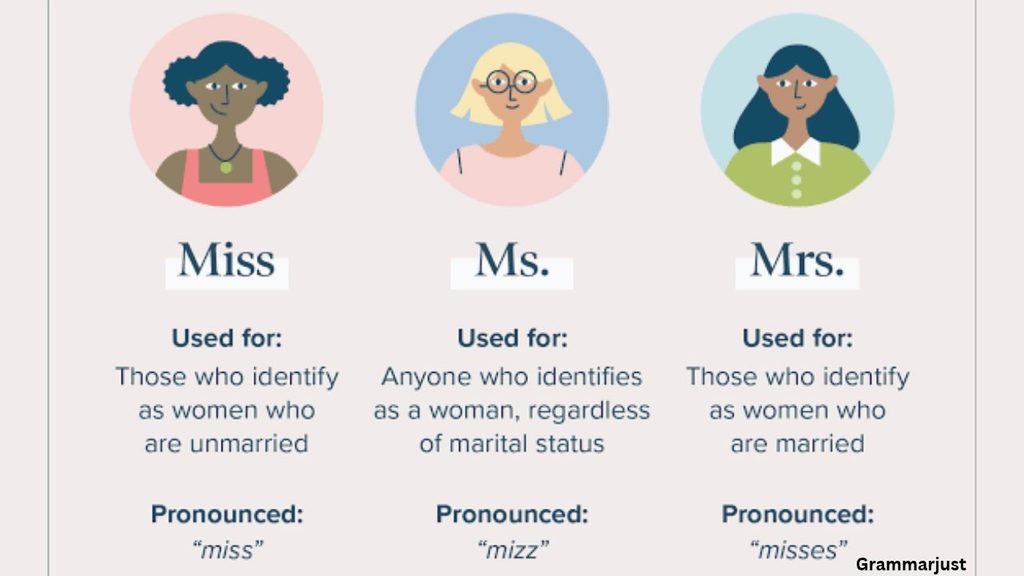
Miss and Mrs are titles used before a woman’s name, but they traditionally have different meanings. Miss is generally used for an unmarried woman or girl, while Mrs is traditionally used for a married woman. However, personal preference matters, and marital status alone does not always determine which title someone uses.
Understanding the difference between Miss and Mrs can help you address people correctly in emails, letters, invitations, and everyday communication.
Miss vs Mrs: The Key Differences
| Feature | Miss | Mrs |
| Traditional usage | Unmarried women and girls | Married women |
| Pronunciation | Miss | MISS-iz |
| Example | Miss Sarah Jones | Mrs Sarah Jones |
| Indicates marital status? | Traditionally suggests unmarried status | Traditionally suggests married status |
| Common use | School, formal address, and personal correspondence | Formal correspondence and personal address |
The main difference between Miss and Mrs is their traditional association with marital status. Miss is commonly associated with an unmarried woman, whereas Mrs is associated with a married woman.
Neither title should be treated as a universal rule for every individual. If you know someone’s preferred title, use that preference.
What Does Miss Mean?
Miss is a title traditionally used before the name of an unmarried woman or a girl. It can appear in formal correspondence, school settings, and everyday conversation.
For example:
- Miss Emily Carter
- Miss Olivia Brown
- Miss Taylor, your appointment is ready.
Miss is also used as a respectful form of address in certain situations, although conventions vary by culture, age, and context.
Examples of Miss in Sentences
- Miss Emily Carter will lead the presentation.
- I sent the invitation to Miss Olivia Brown.
- The students thanked Miss Taylor for her help.
In traditional usage, Miss often suggests that a woman is unmarried. However, you should not assume someone’s marital status solely from the title they use.
What Does Mrs Mean?
Mrs is a title traditionally used before the name of a married woman. It is common in formal letters, invitations, and other forms of correspondence.
For example:
- Mrs Sarah Wilson
- Mrs Elizabeth Davis
- Mrs Wilson, your documents are ready.
Some married women prefer Mrs, while others choose Ms or another form of address. Widowed or divorced women may also continue using Mrs, depending on their personal preference and circumstances.
Examples of Mrs in Sentences
- Mrs Sarah Wilson will attend the meeting.
- Please send the letter to Mrs Elizabeth Davis.
- Mrs Wilson has confirmed her reservation.
Traditionally, Mrs indicates that a woman is married. However, it is best to follow the individual’s preference rather than make assumptions based on relationship status.
Miss vs Mrs vs Ms: What is the Difference?
Miss, Mrs, and Ms are all titles used before a woman’s name, but their traditional meanings differ.
| Title | Traditional meaning | Pronunciation |
| Miss | Usually an unmarried woman or girl | Miss |
| Mrs | Traditionally a married woman | MISS-iz |
| Ms | Does not specify marital status | Miz |
Ms is often the most practical option when you do not know a woman’s preferred title or do not need to specify her marital status. It is widely used in professional communication.
For example:
- Miss Anna Taylor
- Mrs Anna Taylor
- Ms Anna Taylor
These examples illustrate how the title changes while the name remains the same. The appropriate choice depends on the person’s preference and the context.
When Should You Use Ms Instead of Miss or Mrs?
Use Ms when marital status is irrelevant or unknown, especially in professional settings. For example, you might use Ms Taylor in a business email if you are unsure whether she prefers Miss or Mrs.
However, if someone has explicitly asked to be addressed as Miss or Mrs, respect that preference.
When Should You Use Miss or Mrs?
Choosing between Miss and Mrs depends on the situation, the person’s preference, and the conventions of the setting.
Use Miss When:
- You are following the traditional title for an unmarried woman or girl.
- The person has indicated that Miss is her preferred title.
- The title is appropriate for the school, cultural, or social context.
Example: Dear Miss Carter, thank you for your message.
Use Mrs When:
- A married woman uses Mrs as her preferred title.
- You are following her established form of address.
- The title is appropriate for the invitation or correspondence.
Example: Dear Mrs Wilson, thank you for confirming your attendance.
What If You Do Not Know Her Marital Status?
If you are unsure whether someone is married, avoid guessing. Ms is often a suitable option in professional correspondence when you do not know the person’s preferred title.
You can also omit the title and use the person’s full name when appropriate.
For example:
- Dear Ms Taylor,
- Dear Alex Taylor,
The best choice depends on the formality of the situation and the person’s preferences.
How to Use Miss and Mrs in Emails and Formal Writing
Titles can make formal communication sound respectful, but using the correct title is more important than following a rigid convention.
In Professional Emails
If you know the recipient’s preferred title, use it with their surname.
Examples:
- Dear Miss Carter,
- Dear Mrs Wilson,
- Dear Ms Taylor,
If you are uncertain about the recipient’s title, Ms is often a reasonable choice, provided it is appropriate for the context.
On Wedding Invitations
Wedding invitations sometimes use Miss or Mrs according to traditional etiquette. However, modern invitation styles vary, and individual preferences should take priority over assumptions about marital status.
If you are preparing invitations, confirm how each guest wishes to be addressed whenever possible.
On Forms and Official Documents
Use the title requested by the form, if one is required, and follow the person’s preference where possible. Some forms offer options such as Miss, Mrs, Ms, and other titles.
A title is not always necessary. If the form does not require one, you may be able to leave it blank.
Should You Write Mrs or Mrs?
Both Mrs and Mrs are used in English. The difference is largely a matter of regional punctuation conventions.
- American English: Mrs. and Ms. are commonly written with periods.
- British English: Mrs and Ms are commonly written without periods.
Miss is generally written without a period because it is not an abbreviation.
Examples:
- American style: Mrs. Wilson and Ms. Taylor
- British style: Mrs Wilson and Ms Taylor
For consistency, follow the style guide or regional convention used in your document.
Can a Divorced or Widowed Woman Use Mrs?
Yes, a divorced or widowed woman may continue using Mrs if that is her preference. She may instead prefer Ms or another form of address.
Traditional title conventions do not dictate what every individual must use. A person’s chosen title is the best guide.
For example, a widowed woman named Sarah Wilson might continue using Mrs Wilson, while another woman in the same circumstances might prefer Ms Wilson.
When addressing someone formally, use the title she has provided or the one you know she prefers.
FAQ’s
Is Miss for unmarried women?
Traditionally, yes. Miss is commonly used for an unmarried woman or girl. However, individual preferences and cultural conventions can vary.
Is Mrs only for married women?
Mrs is traditionally associated with married women, but some divorced or widowed women continue using it. Personal preference is important.
Is Miss or Mrs more formal?
Both can be used in formal settings. The appropriate choice depends on the person, the context, and established conventions. Ms is also widely used in professional communication.
What is the difference between Miss and Ms?
Miss traditionally suggests that a woman is unmarried, while Ms does not specify marital status. Ms is often useful when marital status is unknown or irrelevant.
How do you pronounce Miss, Mrs, and Ms?
Miss is pronounced like “miss.” Mrs is commonly pronounced “MISS-iz,” while Ms is pronounced “miz.”
Can a married woman use Miss?
A married woman can choose the title she prefers, although Miss traditionally indicates an unmarried woman. In formal communication, it is best to respect her stated preference.
Should I use Mrs or Ms in a professional email?
Use the title the recipient prefers. If you do not know her preference, Ms is often a suitable option when a title is needed.
Conclusion
The difference between Miss and Mrs is primarily their traditional association with marital status. Miss is generally used for an unmarried woman or girl, while Mrs is traditionally associated with a married woman.
Ms provides an alternative that does not specify marital status and is common in professional communication.
When choosing a title, consider the context and, most importantly, the person’s preference. This simple approach helps you communicate respectfully and confidently in emails, letters, invitations, and everyday situations.
Also Read:

1 thought on “Miss vs Mrs: What is the Difference?”